
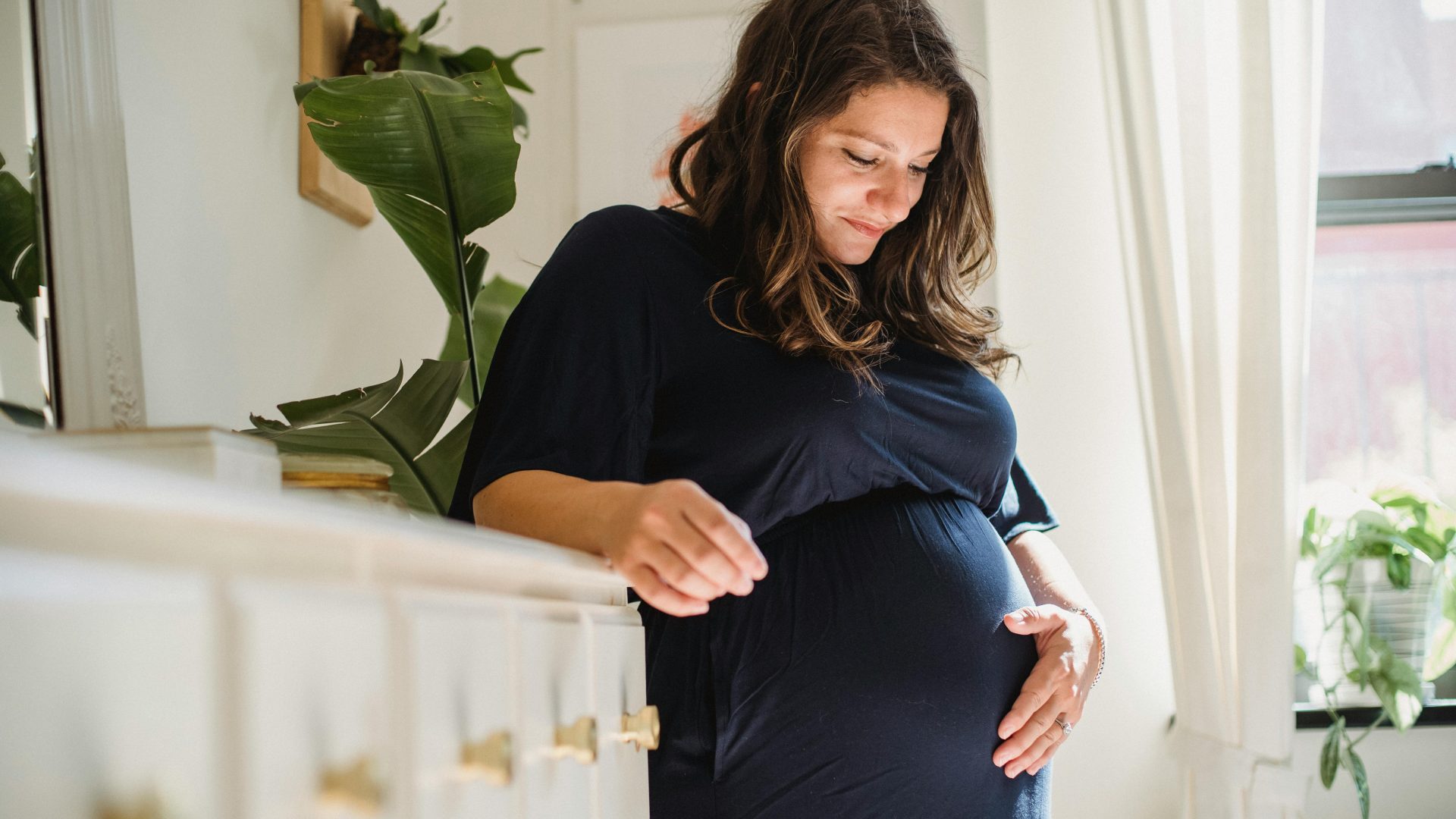
What mood disorders can occur during pregnancy and childbirth?
A wide variety of mood and psychotic disorders occur in relationship to pregnancy and childbirth. Collectively, these conditions are sometimes known as perinatal mood disorders.
These include postnatal depression, that affects around 1 in 10 women after having a baby, and postpartum psychosis (puerperal psychosis), which affects around 1 in 1,000 women at this time.
Women with bipolar disorder are at a particularly high risk of a postpartum episode. Postpartum mood disorders cause immense suffering for women, their children and their families.
Suicide is a leading cause of maternal death in the UK, highlighting the importance of understanding more about these conditions and developing better ways to help women who experience postpartum episodes.
Causes of mood disorders in pregnancy and childbirth
Pregnancy and childbirth are times of great change – both at the biological and psychological levels. It is likely that many factors are involved in making some women more vulnerable to becoming unwell at these times.
We know that postpartum mood episodes run in families and that genes play a role. The big hormonal changes in pregnancy and the postpartum are likely to be important, but other factors, such a sleep disturbance and the psychological impact of becoming a new mother are also likely to play a role in some women.
Treatments for mood disorders in pregnancy and childbirth
Women with episodes of perinatal mood disorders can be treated using a combination of different approaches. These include medication and talking treatments and will depend on the severity of the episode.
Postpartum depression may respond to general support or particular talking treatments, such as cognitive behavioural therapy (CBT). More severe episodes of postpartum depression may require antidepressants or other medications.
The majority of women with postpartum psychosis need to be admitted to hospital and treated with medication. Where possible, women should be admitted with their baby to a mother and baby unit (MBU). Unfortunately most areas of the UK are still not served by an MBU.
Taking medication in pregnancy, or when breastfeeding, is always a difficult decision. There is often no right or wrong answer and all the risks and benefits must be considered before making a decision.
Women taking medication should talk to the professionals involved in their care as early as possible if they are considering becoming pregnant or find they are pregnant.
Resources
- NCMH leaflet: Bipolar, pregnancy and childbirth
Piece of Mind podcast: postnatal depression
Listen to our episode about postnatal depression with Laura Dernie, who experienced postnatal depression, and Professor Ian Jones, former director at NCMH.